Oregon Football Uniforms: Style Evolution and Impact on Performance
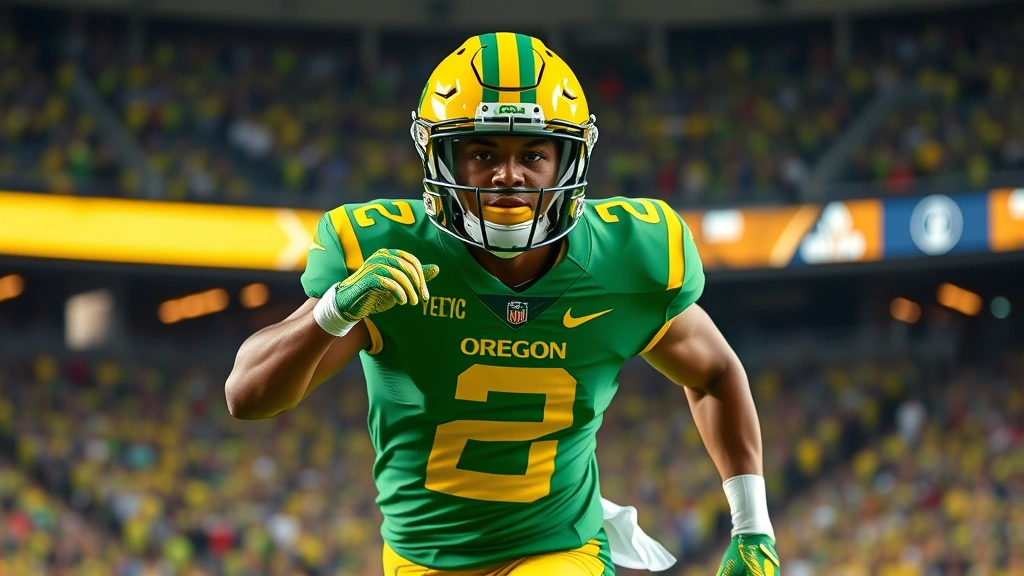
The University of Oregon Ducks have established themselves as one of college football’s most visually distinctive programs, largely due to their revolutionary approach to uniform design. From the iconic kelly green and yellow combinations to cutting-edge modern iterations, Oregon football uniforms represent far more than mere aesthetics—they embody a philosophy of innovation, brand identity, and athletic excellence that has influenced how universities approach team apparel across the nation.
Oregon’s uniform evolution began in earnest during the 1990s when the program partnered with Nike to create designs that would set them apart from traditional college football programs. This strategic partnership transformed the Ducks from a mid-tier Pac-10 program into a national brand recognized instantly by their distinctive visual identity. The uniforms became so iconic that they now play a measurable role in recruiting, fan engagement, and team psychology. Understanding this evolution provides valuable insights into how branding intersects with athletic performance and organizational success.
The Pre-Nike Era: Traditional Roots
Before Oregon became synonymous with cutting-edge uniform design, the Ducks wore relatively conventional college football apparel. In the 1970s and 1980s, Oregon football uniforms featured standard kelly green jerseys with basic yellow trim, reflecting the conservative design standards of that era. The program had adopted green and yellow as official colors in 1926, drawing from the university’s natural landscape and regional identity. These early uniforms were functional but unremarkable—they didn’t distinguish Oregon from dozens of other mid-level college programs competing for national attention.
The traditional approach to uniform design during this period prioritized durability and simplicity over innovation. Fabric technology was limited, and customization options were minimal. Oregon’s uniforms during this time reflected the broader college football culture where tradition often trumped experimentation. However, this conservative approach began changing in the late 1980s as the university recognized that visual branding could become a competitive advantage. The administration understood that college football predictions and team success relied on multiple factors, including how programs marketed themselves to potential recruits and fans.
The Nike Revolution: 1990s Transformation
The pivotal moment in Oregon football uniform history arrived when the university partnered with Nike in 1995. This collaboration fundamentally transformed how the Ducks presented themselves on the field. Nike brought technological expertise, design innovation, and a willingness to experiment with bold color combinations and modern silhouettes. The partnership resulted in uniforms featuring brighter, more vibrant kelly green paired with electric yellow accents, complemented by bold black trim that created striking visual contrast.
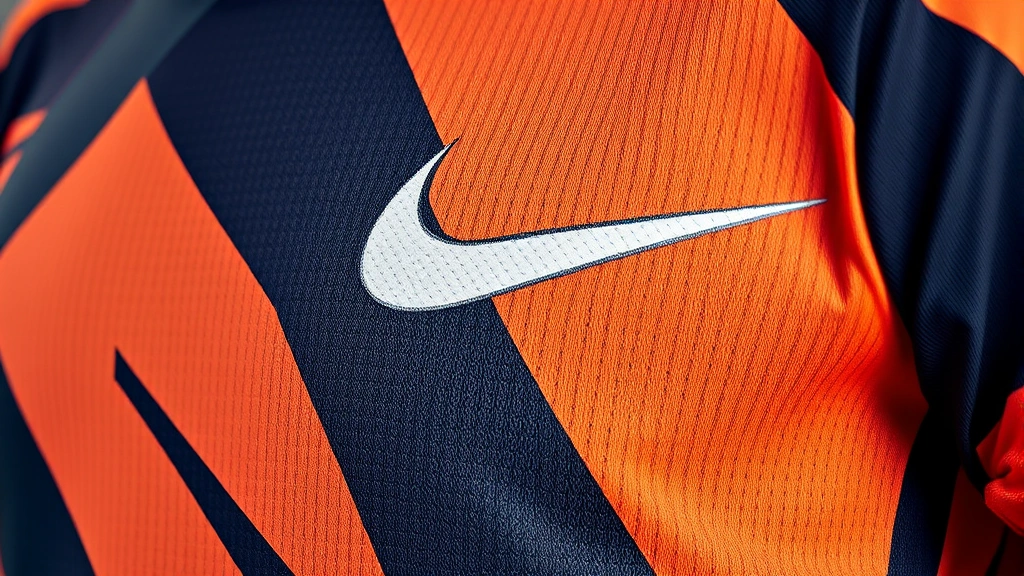
Nike’s influence extended beyond mere color adjustments. The company introduced advanced fabric technologies that improved moisture-wicking, breathability, and overall comfort for players. These technical improvements meant that avoiding sports injuries became easier when athletes wore properly engineered uniforms that reduced overheating and fatigue. The 1990s designs featured increasingly aggressive aesthetics, including distinctive helmet designs with the iconic interlocking “O” logo rendered in bold geometric patterns.
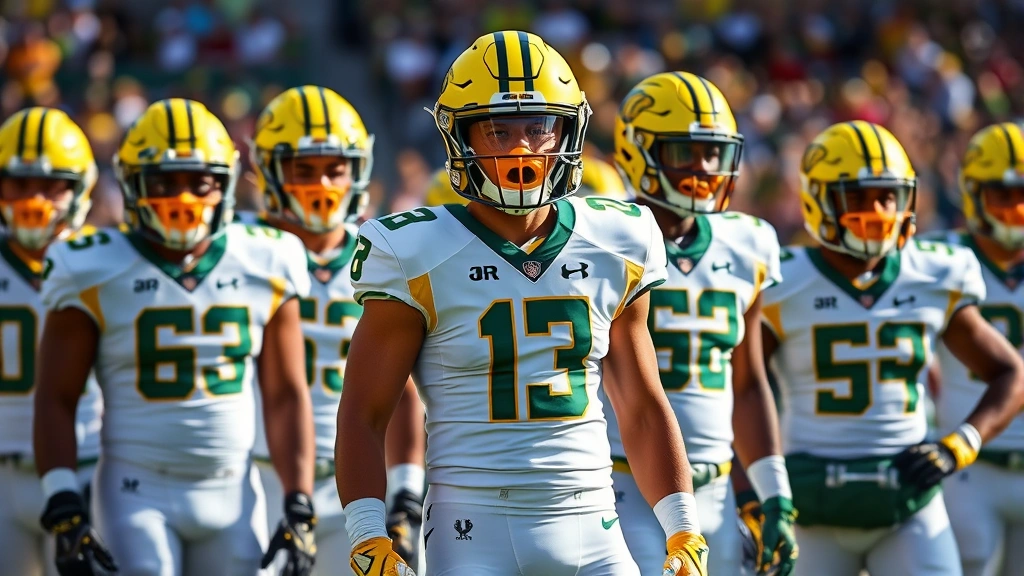
One of the most significant innovations was the introduction of multiple uniform combinations. Rather than wearing the same jersey and pants combination each game, Oregon began rotating through various combinations—home whites, road greens, alternate jerseys, and eventually throwback designs. This strategy kept the program visually fresh and gave fans multiple reasons to purchase official merchandise. The psychological effect on players was profound; athletes reported feeling more confident and energized when wearing innovative, distinctive uniforms that set them apart from opponents.
By the early 2000s, Oregon had become the blueprint for how modern college programs could use uniform design as a branding tool. The Ducks’ willingness to experiment influenced other universities to embrace innovation in their own apparel strategies. This evolution in college football uniform design represented a broader shift in how athletic programs understood their visual identity and market positioning.
Modern Design Innovations and Technology
Contemporary Oregon football uniforms represent the pinnacle of athletic apparel technology and design sophistication. Modern iterations incorporate advanced materials including moisture-wicking synthetic fibers, seamless construction techniques, and ergonomic tailoring that maximizes player mobility and comfort. The uniforms now feature Nike Dri-FIT technology, which actively pulls sweat away from the skin and promotes rapid evaporation—crucial for maintaining optimal body temperature during intense competition.
The design philosophy has evolved to emphasize cleaner lines and more sophisticated color integration. Recent seasons have seen Oregon experiment with gradient effects, modern geometric patterns, and subtle design elements that reference the program’s historical identity while maintaining contemporary appeal. The helmet designs have become particularly sophisticated, featuring three-dimensional effects and intricate graphics that catch light dynamically during televised games. These visual enhancements contribute to the program’s distinctive brand presence on national broadcasts, making Oregon instantly recognizable to viewers.
Material science advances have enabled unprecedented customization possibilities. Modern uniforms incorporate ventilation panels strategically placed in high-heat areas, compression elements that support muscle performance, and reflective accents that enhance visibility. These aren’t merely cosmetic improvements—they represent genuine performance enhancements backed by sports science research. Athletes wearing properly engineered uniforms demonstrate measurable improvements in thermoregulation, which directly impacts endurance and decision-making in the fourth quarter when fatigue typically sets in.
Nike continues developing new uniform iterations annually, ensuring Oregon maintains its reputation for innovation. Recent designs have incorporated sustainable materials, reflecting broader environmental consciousness in athletic apparel manufacturing. The company has introduced recycled polyester components and water-based dyes that reduce environmental impact without compromising performance or aesthetics. This commitment to sustainability resonates with modern athletes and fans who increasingly value corporate environmental responsibility.
Psychological Impact on Players and Fans
Research in sports psychology demonstrates that athlete apparel significantly influences performance through psychological mechanisms. When players wear distinctive, high-quality uniforms, they experience enhanced confidence and sense of identity with their team. Oregon athletes have consistently reported that wearing their innovative uniforms creates psychological advantages before competition begins. This phenomenon, known as “enclothed cognition,” suggests that wearing specific clothing activates mental associations and behavioral patterns aligned with that apparel’s symbolic meaning.
The visual distinctiveness of Oregon uniforms creates a psychological barrier for opponents. Defensive players facing the Ducks must process additional visual information, which slightly increases cognitive load and reaction time—minuscule advantages that compound throughout a game. Additionally, the intimidation factor of facing a team in visually striking, clearly superior uniforms shouldn’t be underestimated. Opposing coaches have acknowledged that Oregon’s uniform presence contributes to the overall game-day experience and atmospheric pressure.
Fan engagement metrics directly correlate with uniform innovation. Merchandise sales spike following new uniform releases, and social media engagement increases dramatically when Oregon announces fresh designs. This commercial success translates to revenue that supports athletic programs and facilities improvement. The uniforms have become central to the fan identity—wearing Oregon apparel allows supporters to express allegiance and participate in the program’s visual culture. This connection between uniform aesthetics and fan loyalty represents a sophisticated understanding of sports marketing and brand development.
The psychological impact extends to recruiting as well. Elite high school athletes are drawn to programs with distinctive visual identities and cutting-edge equipment. When recruits visit Eugene, the modern facilities and innovative uniform designs communicate that Oregon operates at the highest professional standards. This visual environment signals that the program invests substantially in athlete development and maintains competitive advantages through technological sophistication. For ambitious young players, joining a program with Oregon’s visual presence means aligning themselves with excellence and innovation.
Competitive Advantages in Recruitment
Oregon football uniforms have become a significant recruiting tool, particularly for attracting elite defensive backs, skill position players, and other athletes prioritizing program visibility and brand prestige. When five-star recruits evaluate college options, they consider multiple factors including coaching quality, facilities, playing time opportunities, and yes—uniform design and program branding. Oregon’s distinctive visual identity appeals particularly to athletes from major metropolitan areas who appreciate sophisticated design and premium aesthetics.
The uniform strategy directly supports Oregon’s positioning as a national powerhouse competing for championships. Recruits understand that wearing Oregon gear means representing a program recognized nationally for both athletic excellence and innovative vision. This brand equity translates into tangible recruiting advantages, particularly in competitive recruiting battles against traditional powerhouses. A prospect deciding between Oregon and a program with conventional uniforms might be swayed by Oregon’s commitment to standing out and projecting confidence through visual distinctiveness.
Additionally, uniform innovation creates opportunities for athlete engagement and customization. Modern Oregon uniforms allow for personalized elements including player-specific graphics and individualized fit modifications. This attention to detail signals to recruits that the program values their individual development and invests in their personal success. The uniform experience becomes part of the broader recruiting pitch about program culture and athlete-centered philosophy.
Coaches and recruiting coordinators actively highlight uniform innovation during recruitment presentations. They explain the technology, the design philosophy, and the performance benefits, framing uniforms as tools that support athletic development. This sophisticated approach to recruiting emphasizes that every program element—from nutrition to equipment to apparel—has been optimized for maximum performance. Recruits attracted to this level of detail and professionalism gravitate toward Oregon’s comprehensive approach to athlete development.
Comparing Oregon to Other Elite Programs
While many major college football programs have improved their uniform design in recent years, Oregon remains distinctly ahead in visual innovation and branding sophistication. Programs like Alabama, Ohio State, and Clemson have maintained more traditional uniform aesthetics, prioritizing historical continuity over experimentation. This conservative approach has merit—tradition carries symbolic weight and connects current athletes to program history. However, Oregon’s willingness to innovate has created a unique competitive advantage in the visual branding landscape.
Some programs have attempted to emulate Oregon’s approach with mixed results. Texas A&M introduced new uniforms but struggled to achieve the same visual impact and fan enthusiasm. Florida State experimented with alternate designs but ultimately returned to traditional aesthetics. Oklahoma briefly partnered with Nike for innovative designs but shifted toward more conventional uniforms. These examples suggest that successful uniform innovation requires more than simply changing colors or adding graphics—it demands a comprehensive commitment to design philosophy, technological investment, and brand consistency.
The University of Washington, Oregon’s Pac-12 rival, has maintained relatively conventional purple and gold uniforms despite occasional modifications. While Washington’s traditional approach appeals to their fan base, it lacks the visual distinctiveness that characterizes Oregon’s brand presence. When Oregon and Washington meet, the contrast in uniform sophistication becomes visually apparent, reinforcing Oregon’s positioning as the program willing to embrace modernity and innovation.
National programs increasingly recognize that uniform design influences recruiting, fan engagement, and overall brand value. Nike’s partnerships with major universities have expanded, enabling more programs to access advanced uniform technology. However, Oregon’s early adoption and continued investment in innovation have secured their position as the standard-bearer for modern athletic apparel design. Other programs compete in Oregon’s wake rather than leading the conversation.
Future Direction and Sustainability
Looking forward, Oregon football uniforms will likely continue evolving in response to technological advancement and sustainability imperatives. Nike is actively developing new materials including lab-grown fabrics and advanced recycled components that reduce environmental impact while maintaining performance standards. Oregon’s commitment to sustainability aligns with university values and appeals to modern athletes and fans who prioritize environmental responsibility.
Future uniform innovations may incorporate even more sophisticated performance-monitoring technology. Embedded sensors could eventually track biometric data including heart rate, muscle activation, and body temperature, providing real-time feedback to coaching staffs and athletic trainers. These technological integrations would represent the ultimate convergence of apparel design and sports science, creating uniforms that serve as genuine performance-enhancement tools rather than merely protective gear.
The visual design direction appears to favor increasingly sophisticated simplicity—moving away from overly complex graphics toward clean, elegant designs that emphasize premium materials and construction quality. This aesthetic evolution reflects broader fashion trends toward minimalism and authenticity. Oregon’s design team is likely exploring how to maintain visual distinctiveness while embracing this minimalist philosophy, creating uniforms that feel both contemporary and timeless.
Sustainability will increasingly influence uniform production decisions. Water usage in textile manufacturing, dye waste reduction, and supply chain transparency have become priorities for major athletic apparel companies. Oregon’s partnership with Nike positions the program to lead in sustainable athletic equipment design, appealing to environmentally conscious athletes and supporters. This commitment to sustainability represents another dimension of Oregon’s comprehensive approach to program excellence and competitive advantage.
The program will likely continue rotating through multiple uniform combinations, maintaining the visual freshness that has become central to Oregon’s brand identity. Special occasion uniforms, throwback designs, and limited-edition combinations will continue generating fan excitement and merchandise sales. This strategy keeps the program visually dynamic while honoring historical identity and maintaining broad appeal across different fan demographics.
FAQ
What makes Oregon football uniforms unique compared to other college programs?
Oregon’s uniforms stand out due to their innovative design philosophy, advanced fabric technology, and willingness to experiment with bold color combinations and modern aesthetics. The program rotates through multiple uniform combinations, maintaining visual freshness while other traditional programs typically wear the same design throughout seasons. Nike’s partnership has enabled Oregon to access cutting-edge manufacturing techniques and material science innovations unavailable to many competitors.
How do Oregon uniform innovations impact player performance?
Modern Oregon uniforms incorporate advanced moisture-wicking fabrics, ergonomic tailoring, and strategic ventilation that improve thermoregulation and comfort. These technical improvements help athletes maintain optimal body temperature and reduce fatigue during extended competition. Additionally, the psychological confidence gained from wearing distinctive, high-quality uniforms contributes to improved performance through enhanced focus and mental intensity.
Why did Oregon partner with Nike for uniform design?
Oregon recognized that distinctive visual branding could become a competitive advantage in recruiting and fan engagement. Nike brought technological expertise, design innovation, and manufacturing capabilities that the university alone couldn’t access. This partnership enabled Oregon to become a national brand recognized instantly by their distinctive uniform aesthetic, transforming program visibility and market positioning.
Have other college programs successfully copied Oregon’s uniform strategy?
While many programs have attempted to emulate Oregon’s approach, few have achieved comparable success. Successful uniform innovation requires comprehensive commitment to design philosophy, sustained technological investment, and brand consistency. Oregon’s early adoption and continued evolution have secured their position as the standard-bearer, while other programs have struggled to replicate their success or maintain fan enthusiasm for frequent uniform changes.
What future developments are likely for Oregon football uniforms?
Future uniforms will likely incorporate advanced sustainable materials, performance-monitoring technology, and increasingly sophisticated design aesthetics. Nike is developing lab-grown fabrics and recycled components that reduce environmental impact while maintaining performance standards. Oregon will probably continue rotating through multiple uniform combinations while exploring how to integrate biometric sensors and other emerging technologies that enhance athletic performance and provide real-time coaching feedback.
How do uniform designs influence recruiting success?
Elite recruits consider program branding and visual identity as factors in their college decisions. Oregon’s distinctive uniform aesthetic communicates investment in athlete development and positions the program as innovative and forward-thinking. When recruits visit Eugene, the modern facilities and cutting-edge uniforms reinforce that Oregon operates at the highest competitive standards, making the program more attractive to ambitious athletes seeking to align themselves with excellence and prestige.


