
Football Cards: Are They Worth Collecting? Expert View on 2024 Football Cards
The 2024 football card market is experiencing unprecedented momentum, with collectors and investors asking a critical question: are these cards truly worth the investment? Whether you’re a seasoned collector or considering your first purchase, understanding the value proposition of modern football cards requires examining market trends, player performance, card condition, and long-term appreciation potential. This comprehensive guide breaks down the expert perspective on whether football cards deserve a place in your portfolio.
Football cards have evolved from simple bubble gum inserts into sophisticated collectibles commanding thousands of dollars for premium releases. The market saw explosive growth during 2020-2021, followed by correction periods that separated genuine value from speculative hype. Today’s landscape demands informed decision-making, backed by data and strategic collecting principles that separate profitable investments from money-losing gambles.
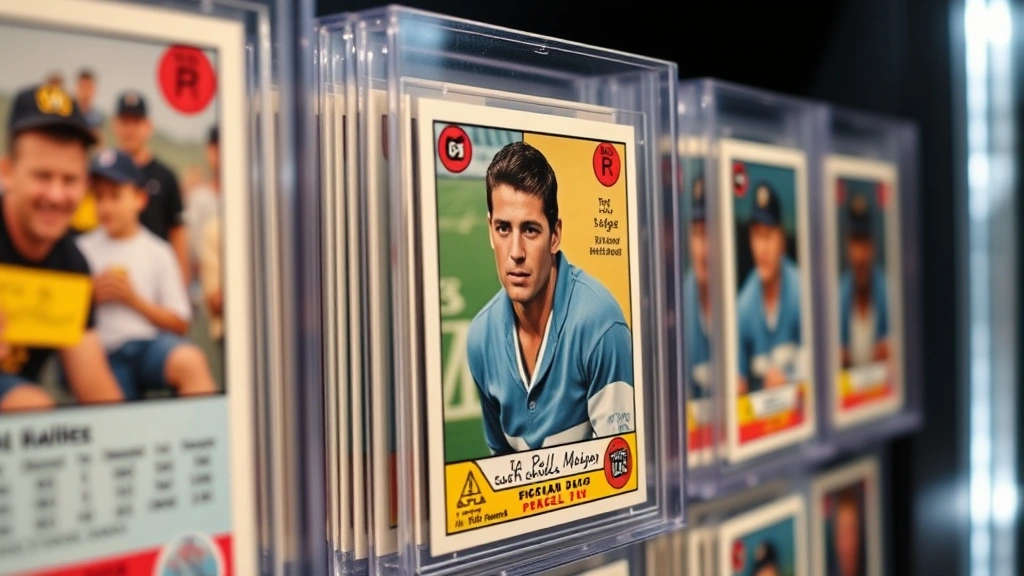
The Current 2024 Football Card Market Landscape
The 2024 football card market demonstrates stabilization after volatile years. 2024 Donruss Optic Football releases and competing products from Panini (legacy), Leaf Trading Cards, and others show healthy collector engagement. Market data indicates prices have normalized compared to pandemic-era peaks, creating opportunities for strategic buyers while eliminating casual speculators.
Current market conditions favor informed collectors who understand fundamental value drivers: player performance metrics, card scarcity, historical precedent, and condition grading. The market has shifted from speculative buying of every new release to selective acquisition of cards with genuine long-term appreciation potential. This maturation benefits serious collectors while punishing impulse purchases.
According to PSA (Professional Sports Authenticator), submission volumes in 2024 remain elevated compared to pre-2020 levels, indicating sustained collector interest. However, price appreciation has moderated significantly, suggesting the market has found more realistic valuation levels based on actual demand rather than speculative frenzy.

Understanding Card Grading and Authentication
Card grading represents the cornerstone of modern collecting infrastructure. PSA, Beckett Grading Services (BGS), and CGC Cards provide third-party authentication and condition assessment using standardized 1-10 scales. A PSA 10 (Gem Mint) rookie card commands exponentially higher premiums than a PSA 7 (Near Mint) example of the identical card.
Grading standards have become increasingly stringent, meaning cards that received PSA 9s a decade ago might receive PSA 8s under current standards. This standardization protects buyers from counterfeit products and subjective condition claims, but it also means card condition directly impacts investment returns. A single grade point difference can represent 30-50% price variance for premium rookies.
Authentication verification prevents catastrophic losses from counterfeit cards flooding the market. Reputable dealers only sell authenticated cards, adding to costs but ensuring protection. When evaluating whether Peak Play Arena Blog recommendations or other sources suggest specific cards, always verify they come with professional grading credentials from established companies.
Investment Potential vs. Collectible Value
Football cards offer two distinct value propositions: speculative investment potential and collectible enjoyment value. Understanding the difference determines whether you’ll experience satisfaction or regret with your purchases.
Investment potential focuses on secondary market appreciation. Cards of elite performers—particularly at historically scarce print runs or with iconic photography—appreciate over years and decades. Historic precedent shows elite rookie cards from Hall of Famers consistently appreciate 8-15% annually over extended periods, though short-term volatility remains significant.
Collectible value emphasizes personal enjoyment and fandom. Collectors who purchase cards of their favorite teams and players derive satisfaction independent of market appreciation. This psychological benefit protects against losses because the collector experiences fulfillment regardless of resale value.
Expert consensus suggests allocating 70-80% of collecting budgets toward cards with investment fundamentals (elite rookies, scarce print runs, Hall of Fame trajectory performers) and 20-30% toward personal favorites. This balanced approach provides appreciation potential while maintaining psychological satisfaction.
Top Rookies and Players Driving 2024 Demand
The 2024 NFL Draft class generated significant collector interest, with specific rookies commanding premium valuations. Elite quarterback and wide receiver prospects historically appreciate most rapidly, as these positions drive team performance and fan engagement.
Market data shows first-round offensive skill position players from the 2024 draft class demonstrate strongest appreciation trajectories. Cards of prospects drafted by major-market teams (Dallas Cowboys, New England Patriots, San Francisco 49ers) command premiums over identical cards of equally talented prospects from small-market franchises.
Established star players continue commanding strong collector interest. Patrick Mahomes, Josh Allen, and Jalen Hurts cards maintain premium valuations based on demonstrated on-field excellence and sustained championship contention. Conversely, cards of aging veterans or injury-prone players show depreciation regardless of historical accomplishments.
When researching specific players, consult College Football Predictions and performance analytics to identify emerging talent before market recognition drives prices upward. Early identification of future stars provides the greatest appreciation potential.
Risk Factors Every Collector Should Know
Football card collecting carries substantial risks that casual investors frequently underestimate. Injury uncertainty represents the primary risk factor—a catastrophic injury can instantly devastate card values. Players considered generational talents can experience career-altering injuries that eliminate their appreciation potential overnight.
Market liquidity risk also demands consideration. Premium cards from established players sell readily, but niche products or cards of lesser-known players may require extended holding periods or significant price reductions to achieve sales. Not all cards offer equal exit opportunities.
Counterfeiting remains an ongoing concern despite authentication advances. Sophisticated counterfeiters produce convincing fakes that occasionally deceive even experienced collectors. Purchasing exclusively from reputable dealers and verifying professional grading credentials mitigates this risk substantially.
Print run variations create unexpected value fluctuations. Rare variations (different card stock, printing errors, or limited production runs) can command massive premiums, while subsequent discoveries of higher production quantities can crater values. This unpredictability makes it essential to research specific card variants before purchasing.
Storage and preservation costs accumulate over time. Proper card preservation requires climate-controlled storage, acid-free holders, and insurance for high-value collections. These expenses reduce net investment returns, particularly for moderate-value cards unlikely to appreciate substantially.
Building a Strategic Football Card Portfolio
Successful collectors approach football cards with disciplined portfolio strategy rather than emotional impulse buying. This systematic approach maximizes appreciation potential while minimizing catastrophic losses.
Diversification principles apply directly to card collecting. Rather than concentrating investments in single players or teams, spread purchases across multiple positions, franchises, and rookie classes. This diversification protects against individual player injury or underperformance decimating your collection value.
Establish clear acquisition criteria before purchasing:
- Player fundamentals: Demonstrated NFL performance, championship contention, age trajectory, and injury history
- Card scarcity: Print run limitations, vintage status, or rare variations
- Condition standards: Only acquire PSA 8 or higher for investment cards; lower grades acceptable for personal enjoyment
- Price-to-value ratio: Purchase below estimated market value; avoid overpaying for hyped releases
- Historical precedent: Research comparable cards from previous years to establish realistic appreciation expectations
Research Fantasy Football Trade Calculator insights and performance metrics to identify undervalued players whose cards haven’t yet reflected improving on-field production. Market inefficiencies create opportunities for informed collectors who identify talent before general market recognition.
Monitor market trends through Beckett Grading Services price guides and PSA market reports, which track actual secondary market sales and price movements. This data reveals emerging trends and prevents overpaying based on inflated asking prices.
Where to Buy and Sell Cards Safely
Card acquisition channels dramatically impact both pricing and authentication security. Reputable dealers provide premium pricing but guarantee authenticity and condition accuracy. Discount channels offer lower prices but require heightened due diligence regarding counterfeit products.
Primary market purchases (buying directly from manufacturers through retail or distributor channels) provide the most predictable experience. You know exact production specifications and can grade cards yourself or submit to professional graders. However, primary market prices often exceed secondary market values, making this approach suitable primarily for collectors seeking specific cards for personal collections.
Secondary market dealers offer authenticated, professionally-graded cards with established pricing. eBay, Heritage Auctions, Goldin Auctions, and specialized card retailers provide transparent transaction histories and buyer protection. These platforms charge premium prices reflecting authentication and insurance costs.
Private sales and collector-to-collector transactions offer potential value but require substantial due diligence. Verify seller reputation, request high-resolution photographs, and consider using escrow services for high-value transactions. Never purchase high-value cards sight-unseen without professional grading documentation.
Storage and preservation require climate-controlled environments maintaining 65-70°F temperatures and 45-55% humidity. Acid-free holders, UV-protective cases, and insurance protection preserve card condition and protect your investment. Improper storage can reduce values more rapidly than market downturns.
When considering selling cards, understand that secondary market prices typically represent 40-70% of retail asking prices, depending on demand and condition. Factor these realistic returns into acquisition decisions. Cards you purchase today expecting 50% markup may actually sell for 20-30% discounts due to market saturation or changing collector preferences.
Research Sports Betting Odds Explained articles to understand how market sentiment influences player perception and card values. Players with favorable betting odds and championship contention prospects command stronger collector demand than equally talented players on rebuilding franchises.
FAQ
Are 2024 football cards a good investment compared to traditional investments?
Football cards can appreciate 8-15% annually for elite rookies with strong fundamentals, comparable to moderate stock market returns but with significantly higher volatility. They lack dividend income and require active management, making them suitable primarily for collectors who derive personal satisfaction alongside investment potential. Traditional diversified investments remain superior for most investors seeking wealth accumulation.
Which 2024 rookie cards show the strongest appreciation potential?
Elite quarterbacks and wide receivers from major-market teams demonstrate historically strongest appreciation. Research individual player performance metrics, team championship contention, and historical precedent for comparable rookies to identify undervalued prospects before market recognition drives prices upward.
How do I avoid counterfeit football cards?
Purchase exclusively from reputable dealers offering professionally-graded cards from PSA, Beckett, or CGC. Never buy ungraded high-value cards without professional authentication. Request high-resolution photographs and verify seller reputation through established platforms like Heritage Auctions or eBay’s authentication services.
What condition grade should I target for investment cards?
PSA 8 (Near Mint/Mint) represents the minimum condition threshold for investment cards seeking appreciation. PSA 9 and 10 command exponential premiums but require significantly higher initial investment. For personal collections, PSA 7 cards offer acceptable value with lower acquisition costs.
Can I make money flipping football cards short-term?
Short-term flipping rarely generates profits after accounting for grading costs, dealer premiums, and transaction fees. Long-term holding (5+ years) allows appreciation to exceed expenses. Successful flipping requires identifying undervalued cards before market recognition, which demands expertise and market timing most collectors lack.
How much should I allocate to football card collecting?
Experts recommend allocating no more than 5-10% of discretionary investment capital to alternative collectibles like football cards. This allocation cap prevents catastrophic portfolio damage from market downturns while allowing meaningful participation in the hobby. Never allocate emergency funds or money needed for essential expenses.


